

Inviting Spontaneity and Exploration Into a Lived, Ordinary Life
For many of us, the word adventure carries weight when it asks us to try new things.
It conjures images of bold leaps, packed bags, and dramatic reinvention. It sounds like something you either have the capacity for—or don’t. Something reserved for people who are carefree, unburdened, unafraid.
And if you’ve lived through disruption, loss, trauma, or long seasons of responsibility, adventure can feel like a luxury you missed—or a version of yourself you no longer recognize.
But this guidepost isn’t asking you to uproot your life or become someone else.
It’s inviting you to reconsider what adventure actually is.
Adventure, in the PlayFULL Way, isn’t about escape.
It’s about engagement.
It’s about allowing curiosity, novelty, and movement to re-enter your life gently—without overwhelming your nervous system or betraying the parts of you that learned to stay vigilant.
Adventure begins not with risk, but with permission.
Adventure After Survival Looks Different When You Try New Things
When you’ve lived in survival mode, adventure can feel unsafe.
Your nervous system learned to prioritize predictability. To scan for threats. To conserve energy. And to avoid unnecessary risk.
And that makes sense.
If your life required you to hold everything together—children, finances, housing, emotional labor—then “playing it safe” wasn’t a failure of imagination. It was wisdom.
So when this guidepost invites adventure, it’s not dismissing that wisdom. It’s honoring it.
Adventure after survival isn’t about throwing caution to the wind.
It’s about expanding the window of what feels possible, one small step at a time.
It’s about discovering that curiosity can coexist with caution. That novelty doesn’t have to mean danger. That exploration can happen inside the life you already have.
After survival, trying new things often begins cautiously — through curiosity that respects the body’s need for safety.

Adventure as a Nervous System State
We often think of adventure as an external event.
But adventure is also a state of being.
It lives in the nervous system as a blend of:
- Curiosity
- Mild activation
- Safety
- Openness
When the nervous system feels regulated enough, it becomes willing to explore. Not because everything is certain, but because the body trusts it can return to safety if needed.
This is why adventure feels impossible when we’re overwhelmed or depleted. It’s not a mindset issue—it’s a physiological one.
And this is why the capacity to try new things depends on feeling regulated enough to return to safety.
You don’t need to push yourself into adventure.
You need to build enough safety for adventure to arise naturally.
The Difference Between Adventure and Escapism
It’s important to name this clearly.
Not all novelty is nourishing.
Sometimes what we call adventure is actually a form of escape—an attempt to outrun discomfort, grief, or responsibility.
True adventure doesn’t bypass your life.
It brings you into it more fully.
Adventure, in this sense, doesn’t disconnect you from yourself. It deepens the relationship.
You might notice the difference by asking:
- Does this leave me feeling more present or more scattered?
- Do I feel expanded, or just distracted?
- Does this invite me back into my body, or pull me away from it?
These questions aren’t about judgment. They’re about discernment.
Adventure Can Be Small (and Still Transformative)
We tend to associate adventure with scale.
Big trips. Big risks. And big stories.
But the nervous system doesn’t measure adventure by size. It measures it by novelty and engagement.
Adventure might look like moments when you try new things, such as:
- Taking a different route home
- Saying yes to an invitation you’d normally decline
- Trying something new without being “good” at it
- Letting a day unfold without rigid plans
- Following a moment of curiosity instead of dismissing it
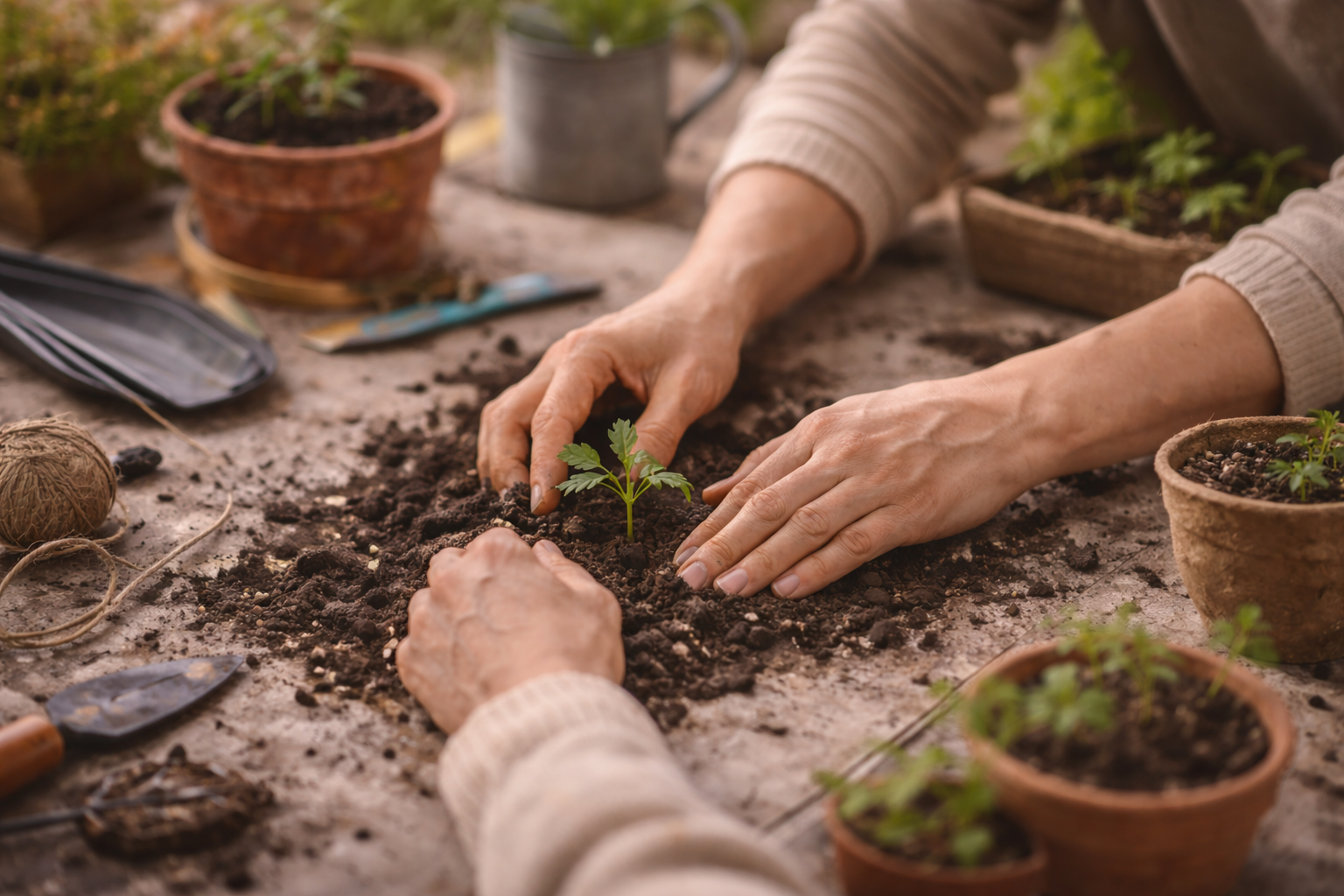

These are small acts—but they matter.
They gently challenge the body’s expectation of sameness and show it that exploration can be safe.
Why Adventure Matters for Healing
Healing isn’t only about rest and reflection.
It’s also about re-entering life.
After periods of contraction, healing includes moments of expansion—new experiences, new sensations, new ways of moving through the world.
Adventure provides:
- Dopamine (motivation and interest)
- Gentle activation
- Emotional flexibility
- Renewed aliveness
Not as a fix.
As a reminder.
A reminder that you’re still here. Still curious. Still capable of being surprised.
Adventure and the Learning Spiral
This guidepost fits naturally into the learning spiral.
Adventure teaches us through experience, not instruction.
You try something.
You notice how it feels.
Adjustments follow.
And then you try again.
Mastery isn’t required.
Movement is.
Sometimes you’ll return to familiar ground—but you’ll return changed. With more information. More self-trust. More nuance.
That’s learning. That’s growth. And that’s adventure.
Adventure in Parenting and Caregiving
For caregivers, adventure can feel especially out of reach.
There are schedules. Needs. Logistics. Safety concerns.
And yet, children are often our greatest teachers in this guidepost.
They remind us that adventure can be:
- A cardboard box
- A puddle
- A question
- A shared laugh
- A moment of wonder

When adults allow themselves to participate—not manage, not optimize, but join—something shifts.
Adventure becomes relational.
It’s no longer about doing more.
It’s about being present differently.
When Adventure Feels Scary
If this guidepost brings up fear, resistance, or grief, pause.
Ask yourself:
- What part of me learned that exploration wasn’t safe?
- What happened when I last tried something new?
- What does my body need in order to feel willing?
You’re not behind if adventure feels hard.
You’re listening.
And listening is the beginning of trust.
A Gentle Way to Practice Adventure This Week
This is not an invitation to overwhelm yourself.
It’s an invitation to say yes to one small moment of curiosity.
This might look like trying new things in small, low-pressure ways.
You might:
- Follow an interest without knowing the outcome
- Allow a day to unfold more loosely
- Choose something because it feels interesting, not productive
- Notice where you feel a spark—and honor it

Let the practice be light.
Allow it to be playful.
And let it be imperfect.
Integration: Adventure as Relationship
Adventure isn’t a destination.
It’s a relationship—with curiosity, with uncertainty, with yourself.
You don’t have to be fearless.
Being spontaneous by nature isn’t required.
Changing who you are isn’t the work.
What matters is remaining open to the possibility that life might still have something to show you.
Closing Reflection
Adventure doesn’t ask you to abandon safety.
It asks you to expand it.
To make room for curiosity alongside caution.
For movement alongside rest.
For discovery alongside care.
You’re allowed to explore again—at your own pace.
Continue the Journey
If you’d like to walk this guidepost more deeply:
- 🎧 Listen to this week’s PlayFULL Way podcast episode, where we explore adventure through the lens of the nervous system and lived experience.
- 📨 Subscribe to the weekly newsletter for reflections, prompts, and reminders.
- 📄 Download the companion PDF pages to journal, reflect, and notice where adventure wants to meet you.
You don’t have to go far.
You just have to stay open.
Listen to the Pause & Play Podcast here:
→ The PlayFULL Way — Adventure
Join our weekly newsletter by clicking here:
→ Weekly Newsletter Subscription
Click here to Subscribe and Download the companion PDF pages: