

Trusting Where Your Intuition Leads
There are moments in life when thinking harder doesn’t help—and learning to trust your intuition matters more.
You’ve weighed the options. You’ve made lists. You’ve talked it through from every angle. And still, clarity doesn’t arrive the way you expect it to.
In those moments, we often assume we’re doing something wrong — that we haven’t gathered enough information yet, or that we need better answers before we can move.
But sometimes the problem isn’t a lack of information.
Sometimes it’s that we’re asking the wrong part of ourselves to lead.
This guidepost, Follow Your Feet, is an invitation to trust the quieter, embodied wisdom that lives beneath analysis. It’s about listening to where you’re drawn — physically, emotionally, energetically — even when you can’t fully explain why.
Intuition Lives in the Body
We often talk about intuition as something abstract or mystical, but intuition is deeply physical.
It shows up as:
- A sense of ease or tension
- A pull toward something
- A subtle leaning away
- A feeling of steadiness or contraction
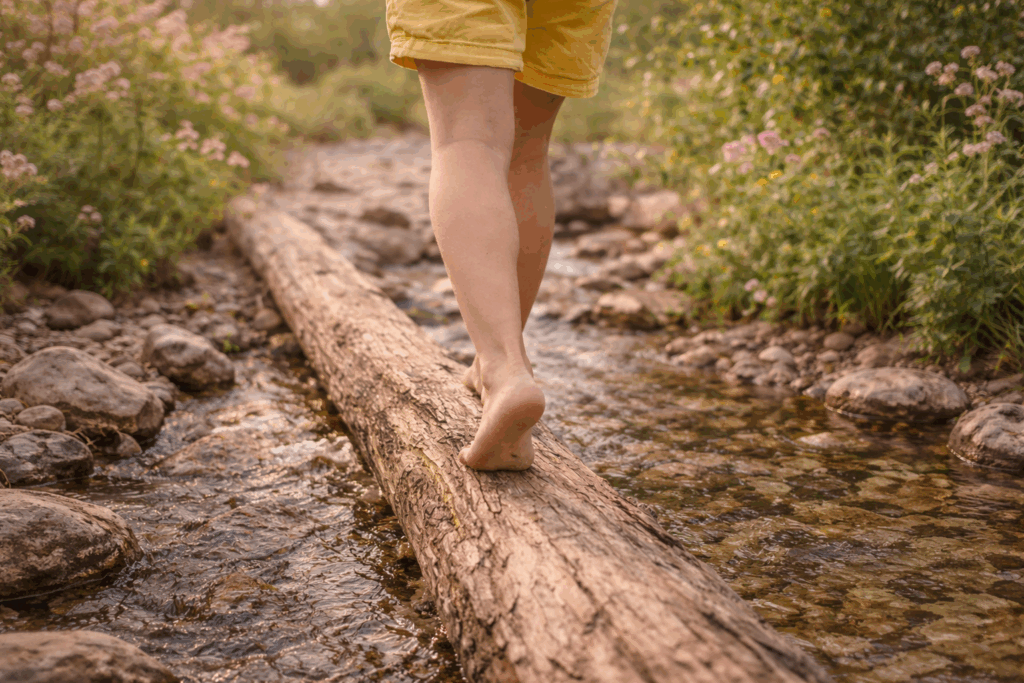
Your body is constantly gathering information from your environment, your experiences, and your past learning. Much of this happens below conscious awareness.
Following your feet is about trusting that information — not blindly, not impulsively, but attentively.
It’s about noticing where your body feels more alive, more open, or more settled — and allowing that to guide you, even in small ways.
Why We Learn to Ignore Our Feet
Many of us were taught early on to override our bodies.
We learned to sit still when we wanted to move.
To push through exhaustion.
To say yes when something inside us said no.
Over time, this creates a disconnect. We stop checking in with our bodies and rely almost exclusively on our minds to make decisions.
For people who’ve experienced trauma or prolonged stress, this disconnection can feel protective. Tuning out the body may have been a way to cope.
So if “following your feet” feels unfamiliar or uncomfortable, there’s nothing wrong with you. It simply means you learned a different way of navigating the world.
This guidepost isn’t asking you to abandon logic or responsibility. It’s inviting you to bring your body back into the conversation.
Trust Your Intuition Without Leaping Blindly
There’s a common fear that listening to intuition means making reckless choices or acting without thought.
But following your feet isn’t about leaping into the unknown without care. It’s about allowing movement to happen incrementally.
Sometimes following your feet looks like:
- Choosing the route that feels calmer
- Lingering in a conversation that feels nourishing
- Stepping back from something that feels draining
- Moving toward curiosity instead of obligation

These are small, embodied decisions — not dramatic life overhauls.
Trust builds through repetition, not risk.
When the Body Speaks Before the Mind
Have you ever noticed that your body often knows something before you do?
You might feel a tightening before you realize you’re uncomfortable.
A sense of relief before you can explain why.
A pull toward something long before it “makes sense.”
Following your feet is about honoring these early signals rather than dismissing them.
This doesn’t mean every bodily sensation is a directive. It means sensations are information, and information deserves attention.
You’re allowed to pause, notice, and decide — rather than reacting automatically.
A Gentle Way to Practice Following Your Feet
This week’s invitation is not to make a big decision based on instinct alone.
It’s simply this: notice where your body feels drawn or resistant, and allow that information to matter.
You might try:
- Pausing before a decision and noticing your physical response
- Checking in with your body when choosing between options
- Asking yourself, What feels more supportive right now?
You don’t need certainty.
You just need awareness.
Following your feet is about direction, not destination.
When Trust Feels Fragile
If trusting your intuition feels difficult, especially after experiences where your trust was broken, go slowly.
Trust isn’t rebuilt through force.
It’s rebuilt through consistency and care.
You might start by following your feet in very low-stakes moments. Over time, this builds confidence — not because everything works out perfectly, but because you learn you can listen and respond with compassion.
You don’t have to get it right to be in a relationship with yourself.
Trust Your Intuition as Direction Emerges
Sometimes clarity comes after movement, not before.
Following your feet allows you to learn while moving, rather than waiting for certainty to arrive first.
This guidepost invites you to stay connected to yourself as you move — to let direction emerge through experience rather than analysis alone.
You’re allowed to adjust.
You’re allowed to pause.
You’re allowed to change course.
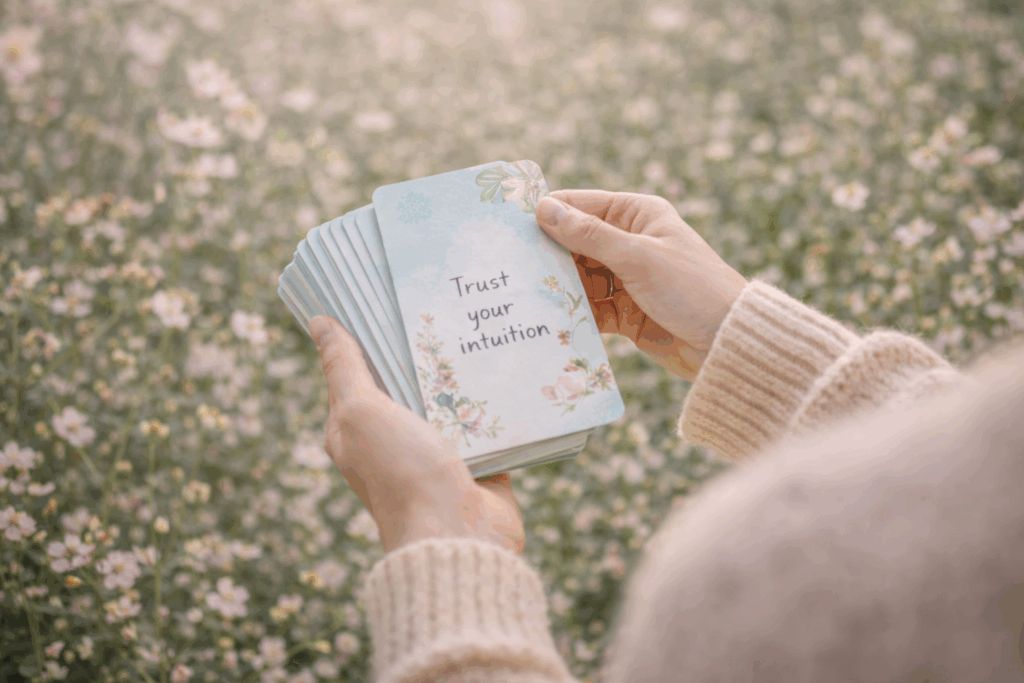
Closing Reflection
You don’t need a full map to take a step.
As you move through this week, see if you can stay curious about where your feet want to take you — even in small, quiet ways.
Direction often reveals itself through movement.
Continue the Practice
If you’d like to explore this guidepost more deeply:
- 🎧 Listen to this week’s PlayFULL Way podcast episode, where we explore intuition and embodied decision-making
- 📨 Join the weekly newsletter for reflection prompts and gentle reminders
- 📄 Download the companion PDF pages to journal, notice, and practice following your feet in your own way
Listen to the Pause & Play Podcast here:
→ The PlayFULL Way — Follow Your Feet
Join our weekly newsletter by clicking here:
→ Weekly Newsletter Subscription
Click here to Subscribe and Download the companion PDF pages: