

Why Play Is Essential for Nervous-System Health (Not Optional)
The importance of play is often misunderstood as frivolous.
Something extra or childish—something reserved for weekends, vacations, or “when there’s time.”
But from a nervous-system perspective, play is not optional.
It is foundational.
The guidepost “Play Every Day” invites us to reclaim play as a biological, emotional, and relational necessity — especially in adulthood.
What Play Actually Is (And Isn’t)
The importance of play is not about the differences between games, toys, or entertainment.
Play is a state of being characterized by:
- Curiosity
- Flexibility
- Exploration
- Presence
- Low stakes
Play is what happens when the nervous system is not bracing.
This is why play disappears under stress. When the body is focused on survival, it narrows attention, increases vigilance, and prioritizes control. Play requires the opposite.
The Nervous System and Play
From a physiological standpoint, play activates the ventral vagal system — the part of the nervous system associated with safety, connection, and social engagement.
During play:
- Breathing becomes rhythmic
- Facial muscles soften
- Tone of voice changes
- Movement becomes fluid
- Imagination reopens
This is not accidental.
Play is one of the fastest ways the body signals safety to itself.
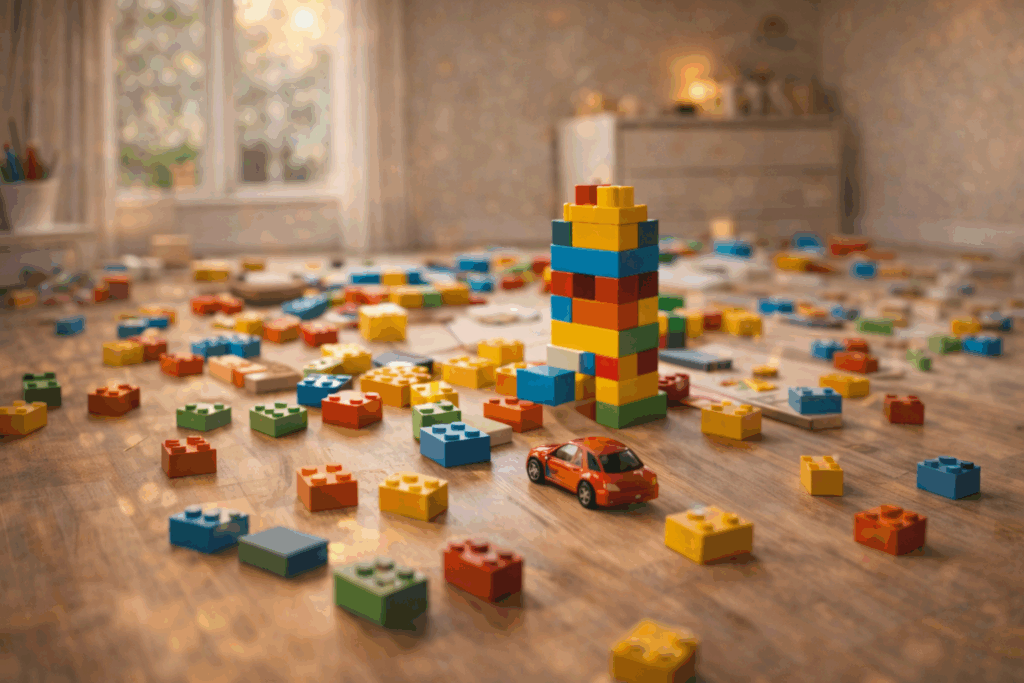
Why Adults Stop Playing
Most adults don’t stop playing because they don’t like it.
They stop because:
- Responsibility increases
- Efficiency is rewarded
- Rest is moralized
- Joy feels risky
- Safety feels uncertain
For many, play was lost during seasons of:
- Trauma
- Caregiving
- Burnout
- Grief
- Chronic stress
The nervous system learned: This is not the time to play.
That learning was adaptive — and it can be gently unlearned.
Play vs. Productivity Culture
Productivity culture treats play as wasted time.
But neuroscience tells a different story.
Play:
- Increases creativity
- Improves emotional regulation
- Supports problem-solving
- Restores flexibility
- Enhances connection
Play is not the opposite of productivity.
It is what allows sustainable engagement.
Without play, systems become rigid. Burnout follows.
Play in Relationships and Parenting
Play is relational.
Laughter, shared curiosity, inside jokes, imagination — these are all forms of co-regulation.
In families, play:
- Builds trust
- Repairs disconnection
- Reduces power struggles
- Creates shared safety

For adults, relational play might look like:
- Humor
- Lightness
- Shared creativity
- Spontaneity
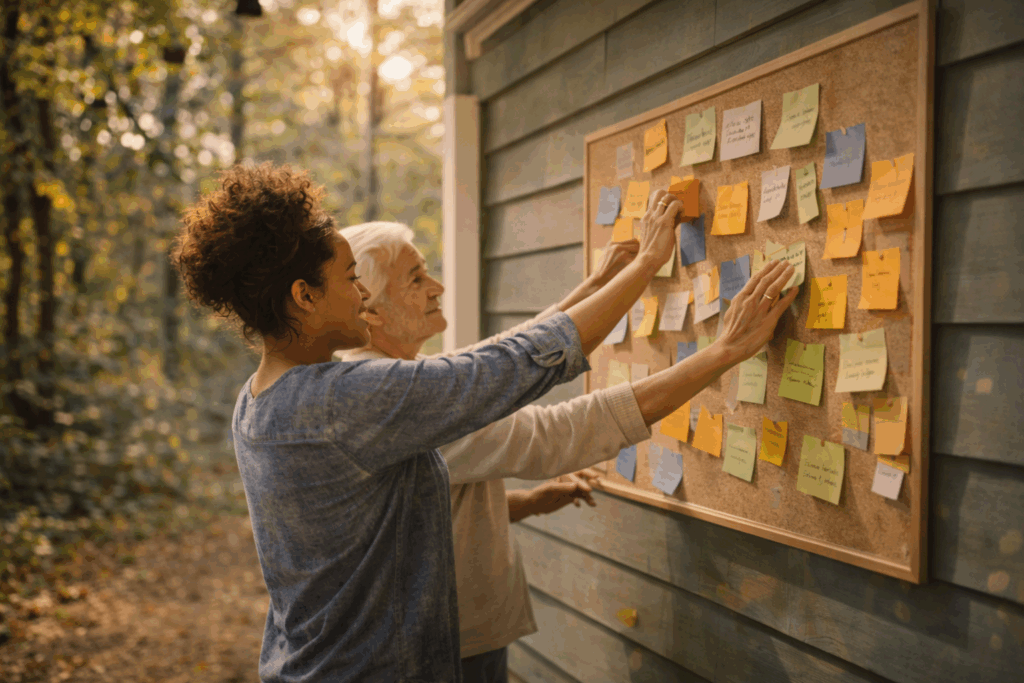
It does not require performance — only presence.
When Play Feels Unavailable
Sometimes play feels unreachable.
That doesn’t mean you’re broken.
It means your nervous system needs safety first.
In these moments, play might look like:
- Noticing color
- Listening to music
- Gentle movement
- Doodling
- Sensory comfort
These are gateways — not failures.
How to Practice Play Every Day (Without Forcing It)
Play returns through consistency, not intensity.
Try:
- Five minutes without a goal
- Following interest instead of obligation
- Allowing pleasure without justification
- Choosing curiosity over control

Play does not demand joy.
Joy often follows play.
Integration: Play as a Way of Being
The guidepost “Play Every Day” reminds us why the importance of play isn’t optional — it’s not something you add to life once everything else is handled.
It is something that changes how life is handled.
You don’t need more discipline.
You need more permission.
Play is not a distraction from healing.
It is part of how healing happens.
Continue the Practice
If this guidepost resonated, you’re invited to continue exploring it at your own pace.
🎧 Listen to the companion podcast episode:
→ The PlayFULL Way — Play Every Day
(Available wherever you listen to podcasts)
📝 Download the reflection + journaling pages:
A gentle printable to help you pause, reflect, and integrate this week’s guidepost.
→ Subscribe & Request the Play Every Day Guide
💌 Receive the weekly companion letter:
A short note each week with reflections, prompts, and invitations to practice slowly and honestly.
→ Weekly Newsletter Subscription
There’s no right way to engage.
Take what supports you. Leave the rest.