

How Reconnecting With the Earth Regulates the Nervous System
When we connect with nature, we often associate it with calm, restoration, and healing.
But from a nervous-system perspective, nature is not calming because it is “pretty” or “peaceful.”
It is calming because our bodies evolved in relationship with it.
The guidepost “Be in Nature” invites us to explore how contact with the natural world supports regulation, reduces stress, and restores a sense of belonging — without requiring performance, effort, or escape.
The Nervous System and the Natural World
Human nervous systems evolved in environments filled with organic patterns, natural light, and sensory variety.
These environments provide:
- Predictable rhythms (day/night, seasons)
- Wide visual fields
- Non-threatening sounds
- Varied textures
- Slow movement
Modern environments often remove these cues and replace them with:
- Artificial lighting
- Constant noise
- Visual clutter
- Time pressure
- Performance demands
The nervous system responds accordingly — with vigilance, fatigue, and dysregulation.
Nature reintroduces the sensory input our bodies recognize as safe.
This is why even small ways we connect with nature can regulate the nervous system.
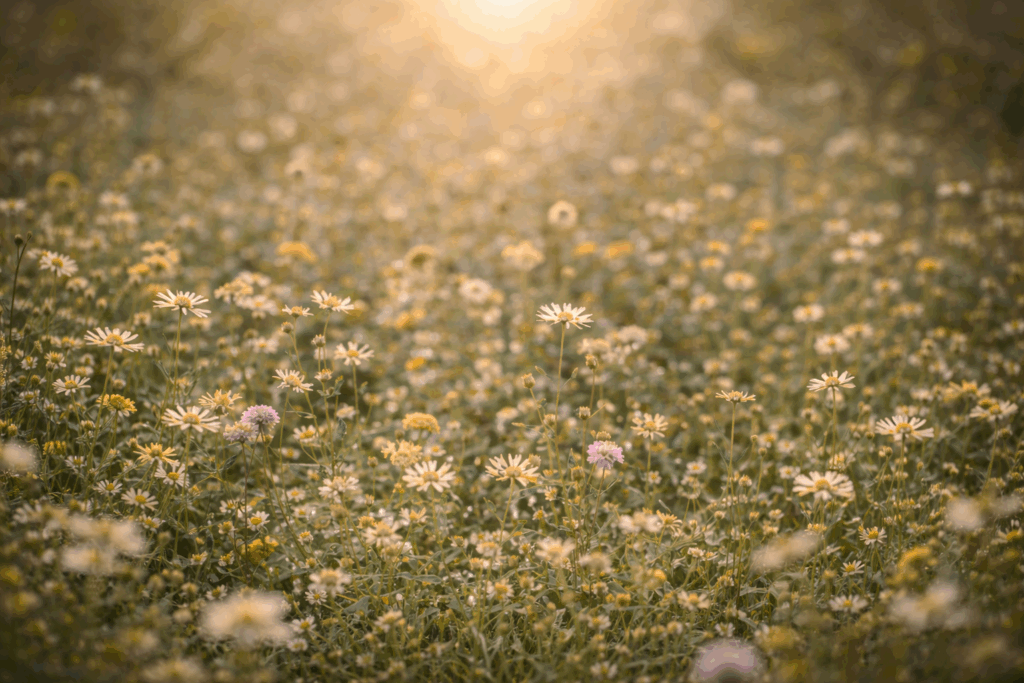
Why Nature Feels Regulating
Being in nature supports regulation by:
- Reducing cortisol
- Widening visual focus
- Lowering heart rate
- Supporting parasympathetic activation
- Grounding attention in the present moment
These effects do not require belief, effort, or intention.
They are physiological responses to sensory input.
This is why even brief contact — a few minutes outside, a view of trees, or natural light — can shift how the body feels.
Nature as Non-Demanding Presence
One of the most regulating aspects of nature is that it does not evaluate us.
Trees do not care how productive we are.
Water does not require us to perform.
The sky does not rush us.
For nervous systems accustomed to judgment, urgency, or expectation, this absence of demand is deeply soothing.
Nature allows the body to exist without effort.
When Nature Doesn’t Feel Comforting
It’s important to name this clearly:
Nature is not universally soothing.
For some people, certain natural environments may feel:
- Unsafe
- Overwhelming
- Triggering
- Inaccessible
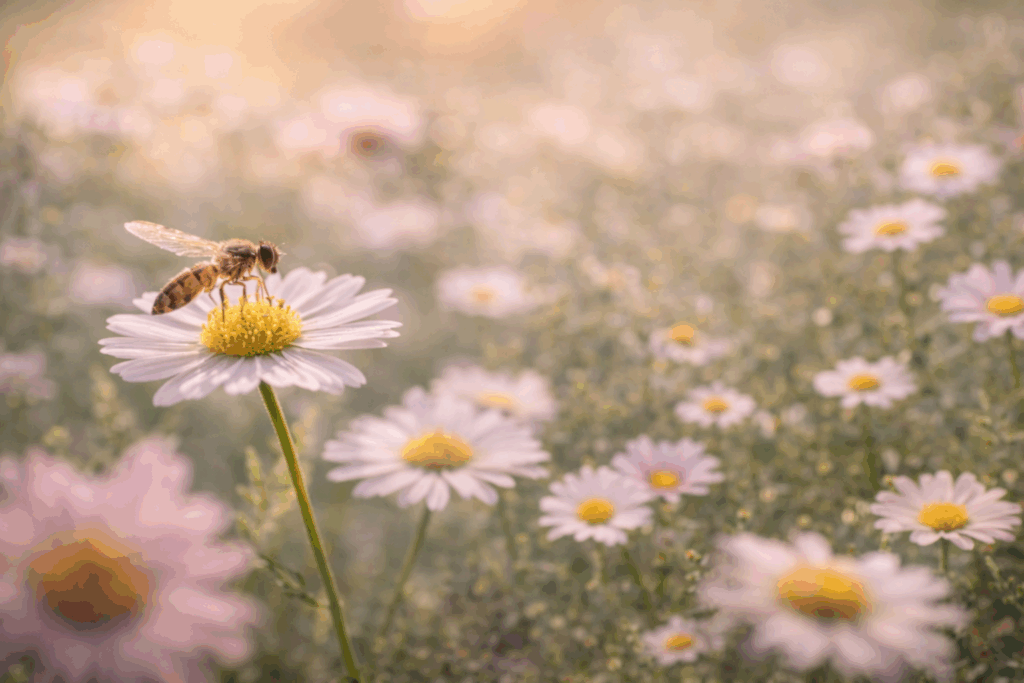
Trauma, past experiences, and current circumstances all shape how nature is perceived.
The guidepost “Be in Nature” is not about seeking comfort.
It is about finding your version of safe contact.
That might be:
- A houseplant
- Sunlight on the floor
- The sound of rain
- A small patch of grass
- A photograph or memory
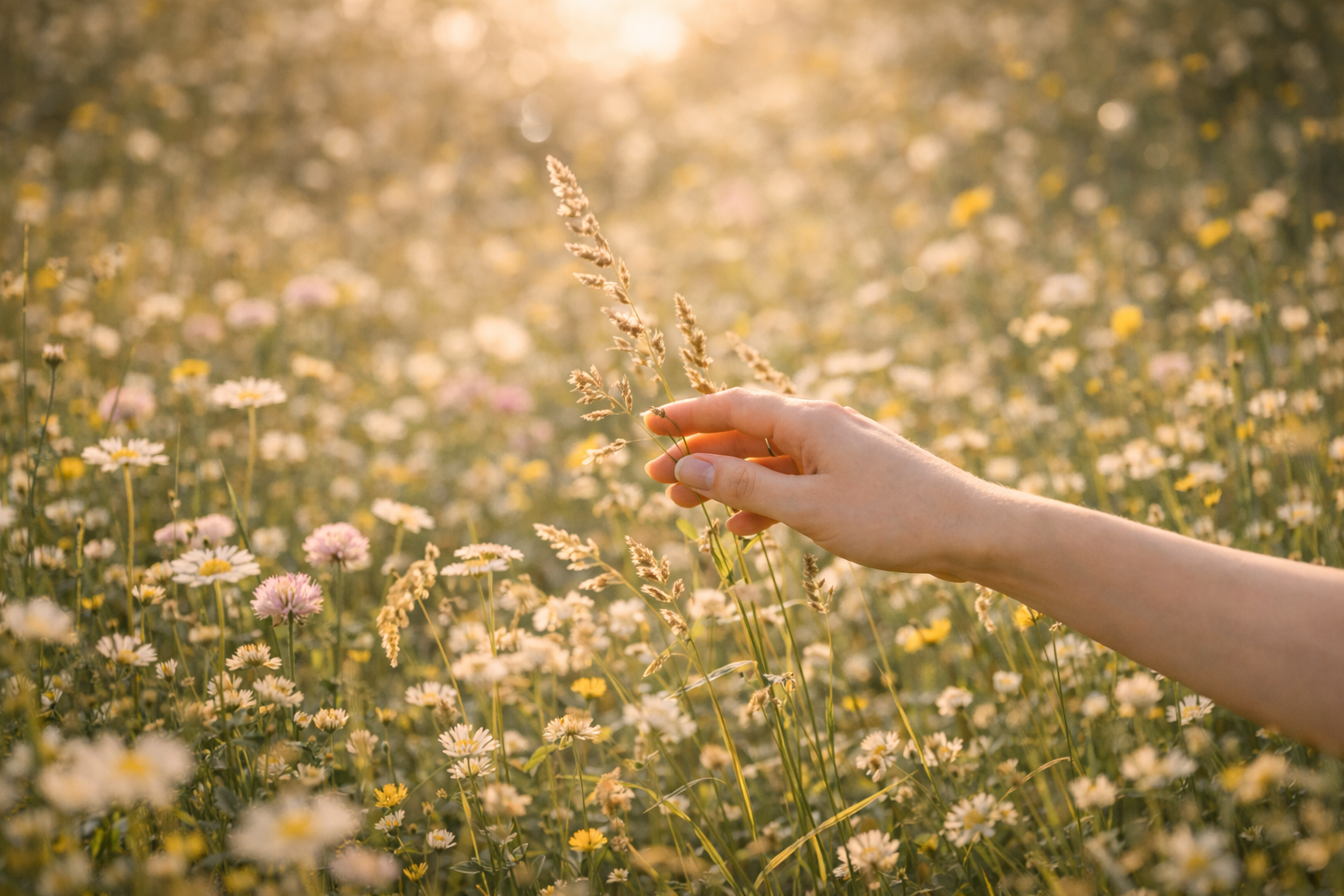
All of these count.
Nature, Grief, and Healing
In seasons of grief or deep loss, nature can offer something language cannot.
Not answers.
Not solutions.
But continuity.
The earth continues to cycle, grow, decay, and regenerate — without bypassing pain. This can be profoundly regulating for bodies holding sorrow.
Nature does not rush healing.
It models it.
Being in Nature With Children
Children often connect with nature instinctively.
They notice bugs, rocks, sticks, puddles, and movement without needing instruction.
Inviting children into nature is not about education or enrichment. It’s about allowing their nervous systems to experience freedom, curiosity, and sensory input without pressure.
For adults, following a child’s attention in nature can be a powerful form of co-regulation.
How to Practice Connect with Nature (Gently)
To work with this guidepost:
- Prioritize contact over duration
- Choose environments that feel safe
- Notice without analyzing
- Allow stillness or movement
- Let nature be the background, not a task
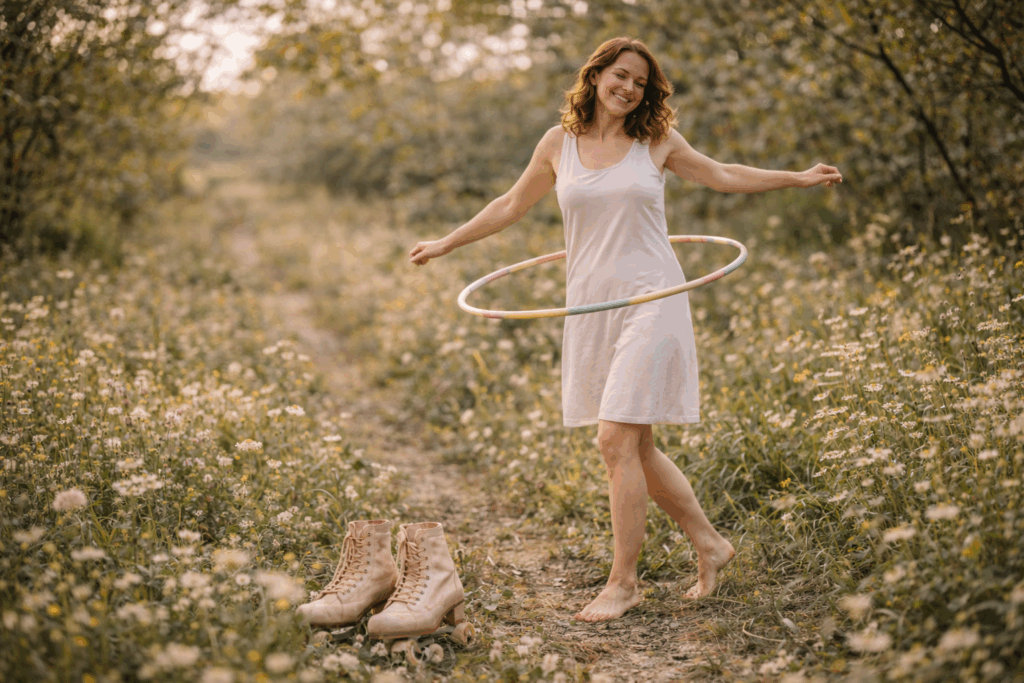
Being in nature does not require reverence.
It requires presence.
Integration: Belonging to the Earth
The guidepost Be in Nature reminds us that we are not separate from the natural world.
Our bodies are not meant to operate in isolation from land, light, and living systems.
You don’t have to escape your life to reconnect.
You just have to remember where you belong.
Continue the Practice
If this guidepost resonated, you’re invited to continue exploring it at your own pace.
🎧 Listen to the companion podcast episode:
→ The PlayFULL Way — Be in Nature
(Available wherever you listen to podcasts)
📝 Download the reflection + journaling pages:
A gentle printable to help you pause, reflect, and integrate this week’s guidepost.
→ Subscribe & Request the Be in Nature Guide
💌 Receive the weekly companion letter:
A short note each week with reflections, prompts, and invitations to practice slowly and honestly.
→ Weekly Newsletter Subscription
There’s no right way to engage.
Take what supports you. Leave the rest.