

How Nervous-System Safety Makes Room for the Unexpected
Spontaneity — those spur-of-the-moment decisions — is often romanticized.
We imagine freedom, adventure, and joy — saying yes without hesitation, living in the moment, letting life unfold.
But for many nervous systems, spontaneity does not feel magical.
It feels unsafe.
The guidepost “Spontaneity Is Magic” invites us to explore spontaneity not as recklessness, but as a sign of nervous-system flexibility — something that becomes possible when safety is established.
Why Spur-of-the-Moment Choices Can Feel Threatening
Spontaneity involves uncertainty.
And uncertainty activates the nervous system.
If unpredictability once meant:
- Instability
- Emotional whiplash
- Unmet needs
- Broken trust
- Lack of control
…your nervous system learned to rely on structure and planning to stay safe.
This learning was adaptive.
It reduced harm.
Spontaneity is not accessible until safety is present
Spontaneity vs. Impulsivity
It’s important to distinguish these clearly.
Impulsivity is driven by urgency and dysregulation.
Spontaneity is driven by curiosity and capacity.
Impulsivity often bypasses the body.
Spontaneity includes it.
True spur-of-the-moment action still includes awareness and choice.
Spontaneity feels like:
- Openness without panic
- Flexibility without collapse
- Choice without pressure
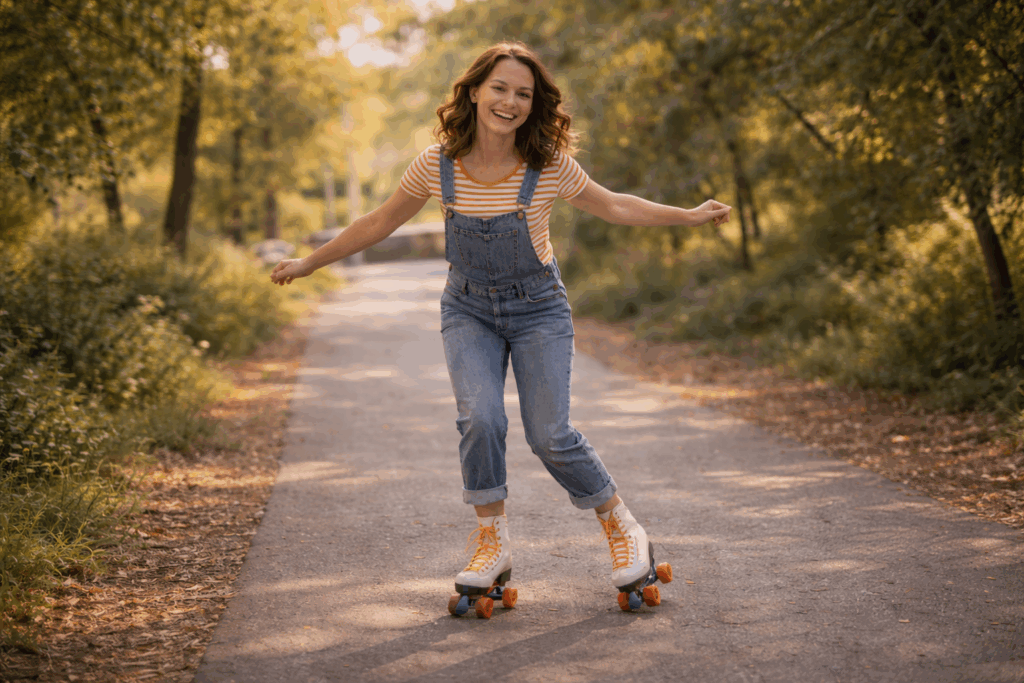
If your body tightens at the idea of being spontaneous, that’s information — not a flaw.
The Nervous System and Flexibility
A regulated nervous system is a flexible one.
Flexibility allows us to:
- Adjust plans without threat
- Respond instead of react
- Tolerate surprise
- Engage creatively
- Recover from disruption
Spontaneity emerges naturally when the body does not need to defend against every unknown.
This is why spontaneity often returns after rest, healing, or consistent safety.
When Structure Is Supportive
Structure is not the enemy of spontaneity.
For many people, structure is what makes spontaneity possible.
Predictable routines, clear boundaries, and reliable rhythms create the safety that allows openness.
You do not need to dismantle the structure to invite magic.
You need to build enough safety within it.
Spontaneity in Relationships
In relationships, spontaneity might look like:
- Unplanned laughter
- A change of plans without conflict
- Following a shared impulse
- Staying present instead of rigid
When relationships feel secure, spontaneity becomes playful instead of threatening.
When relationships feel unstable, spontaneity can feel destabilizing.
Safety comes first.
Spontaneity and Creativity
Spontaneity fuels creativity.
Ideas arise more easily when the nervous system is relaxed enough to explore.
This doesn’t mean abandoning discipline — it means allowing space for surprise within it.
Creativity thrives where flexibility lives.
How to Practice Spontaneity Gently
To work with this guidepost:
- Start with micro-choices
- Notice your body’s response
- Stop before overwhelm
- Pair spontaneity with grounding
- Let the structure remain intact
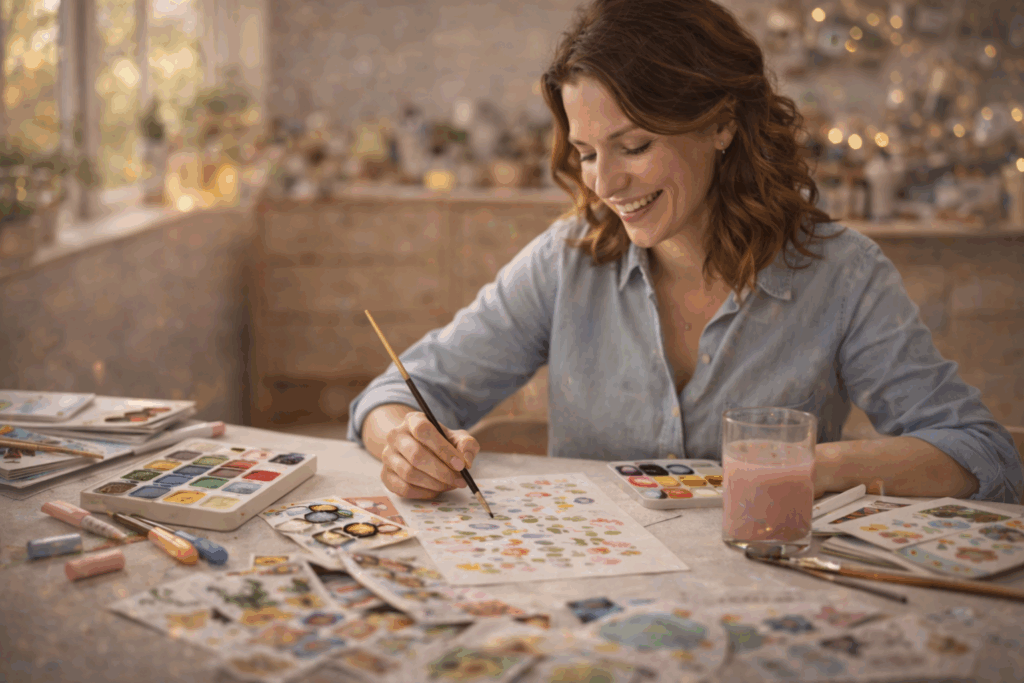
Spontaneity is not about doing more.
It’s about responding differently.
Integration: Making Room for Magic
The guidepost “Spontaneity Is Magic” reminds us that magic doesn’t come from chaos.
It comes from capacity.
You don’t need to be fearless to allow spur-of-the-moment openness.
You need to feel safe enough to be open.
Magic arrives quietly — when there’s room.
Continue the Practice
If this guidepost resonated, you’re invited to continue exploring it at your own pace.
🎧 Listen to the companion podcast episode:
→ The PlayFULL Way — Spontaneity Is Magic
(Available wherever you listen to podcasts)
📝 Download the reflection + journaling pages:
A gentle printable to help you pause, reflect, and integrate this week’s guidepost.
→ Subscribe & Request the Spontaneity Is Magic Guide
💌 Receive the weekly companion letter:
A short note each week with reflections, prompts, and invitations to practice slowly and honestly.
→ Weekly Newsletter Subscription
There’s no right way to engage.
Take what supports you. Leave the rest.