

Why Authentic Connection Depends on Nervous-System Safety
Why authenticity is important often comes down to how we praise visibility as bravery.
“Be authentic.”
“Put yourself out there.”
“Show up as your full self.”
For many people, being seen doesn’t feel brave.
It feels dangerous.
The guidepost “See & Be Seen” invites us to rethink authenticity — not as exposure, but as a nervous-system experience rooted in safety, attunement, and mutual presence.
Being Seen Is a Physiological Experience
Visibility is not just emotional.
It’s physiological.
In those moments, when someone notices us with warmth — our facial expression, tone, or emotional state — our nervous system registers cues of safety. The body softens. Breath deepens. Defenses lower.
When past experiences made visibility unsafe, the nervous system learned to protect by:
- Minimizing expression
- Masking emotions
- Over-performing
- Disappearing
- Staying hyper-vigilant
In reality, this is not dishonesty.
It’s survival.
Authenticity emerges when the body feels safe enough for connection.
Why Authenticity Feels So Vulnerable
Because of this, authenticity requires visibility.
And visibility requires trust.
If you’ve experienced:
- Emotional neglect
- Criticism
- Betrayal
- Feeling misunderstood
- Feeling dismissed
…it makes sense that your body learned to stay guarded.
Authenticity without safety feels like exposure.
Authenticity with safety feels like relief.
This is why forcing vulnerability rarely works. The nervous system does not open on command.

Seeing Others Is Part of Being Seen
“See & Be Seen” is mutual.
At the same time, visibility doesn’t happen in isolation — it happens in a relationship. And often, the ability to see others with presence creates the conditions for mutual visibility.
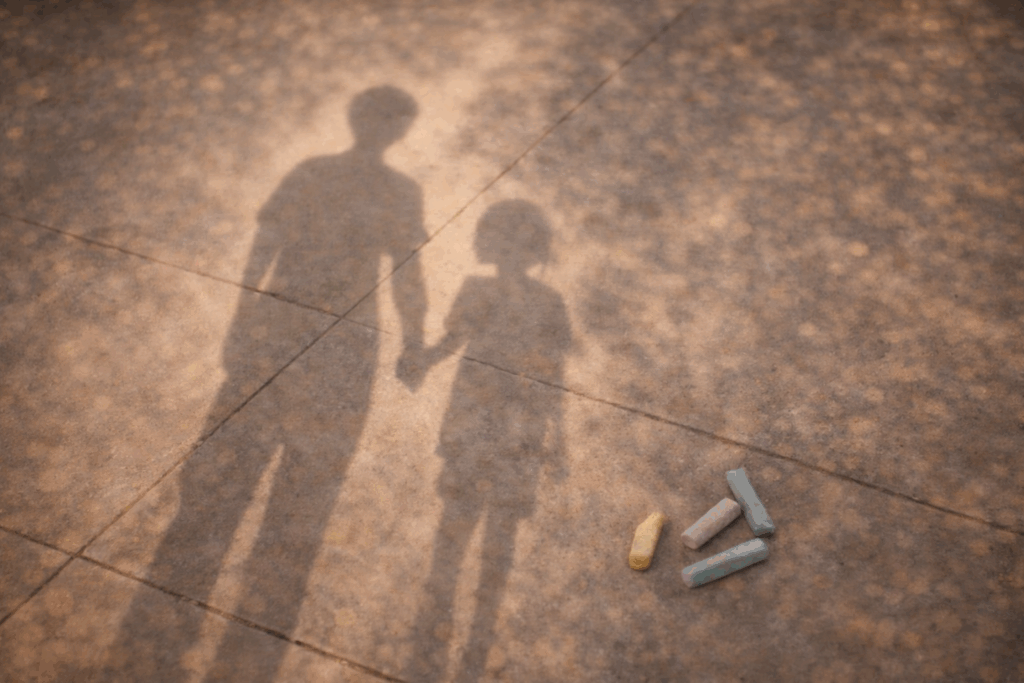
Seeing someone means:
- Noticing without fixing
- Listening without preparing a response
- Acknowledging emotion without minimizing it
- Staying present without needing to change anything
This kind of seeing is regulating. It tells the nervous system: I don’t have to perform here.
Safe Visibility vs. Overexposure
One of the most important distinctions in this guidepost is between safe visibility and overexposure.
Overexposure feels like:
- Urgency
- Regret afterward
- Self-abandonment
- Sharing to earn connection
- Feeling raw without support
Safe visibility feels like:
- Groundedness
- Choice
- Containment
- Honesty without pressure
- Increased trust over time
Importantly, the difference is not how much you share.
It’s whether your body feels resourced while sharing.
Authenticity in Relationships
In relationships, authenticity often grows slowly.
It might begin with:
- Expressing a preference
- Naming a feeling
- Setting a boundary
- Allowing someone to see disappointment or joy

Each moment of safe visibility teaches the nervous system that honesty does not automatically lead to rupture.
And when rupture does happen, repair deepens trust.
Authenticity in Parenting and Caregiving
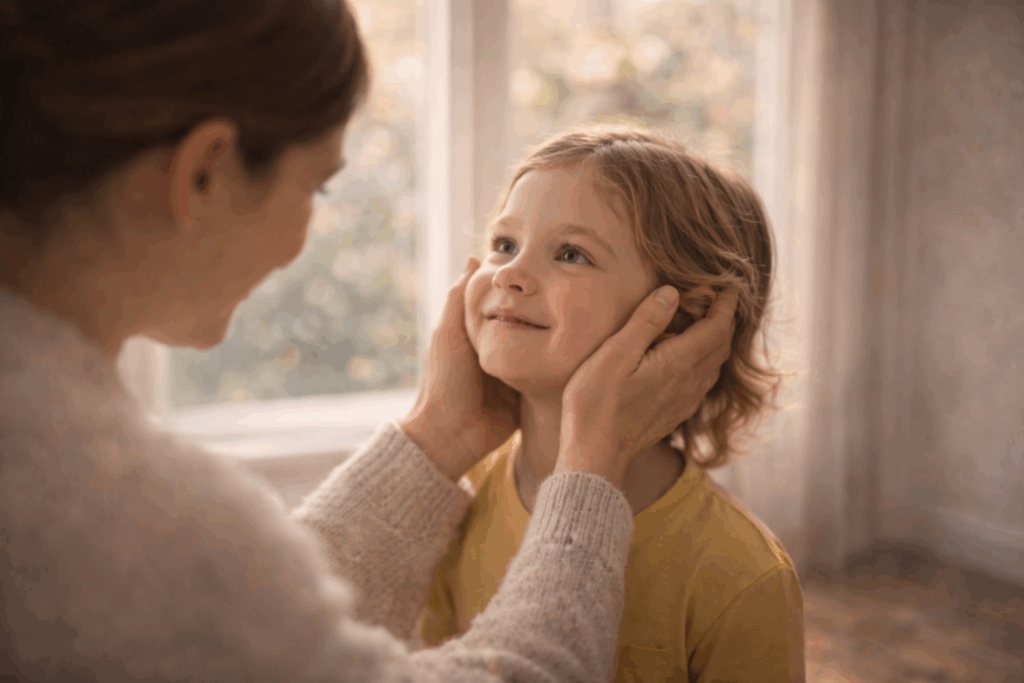
Over time, children learn what authenticity looks like by watching adults.
When adults allow themselves to be real — without oversharing or collapsing — children learn that emotions are welcome and manageable.
Authenticity paired with regulation teaches:
- Feelings don’t overwhelm relationships
- Honesty doesn’t equal abandonment
- Connection can hold imperfection
When Being Seen Still Feels Too Much
Some seasons make visibility harder.
Grief. Trauma processing. Major transitions. Burnout.
During these times, authenticity may look quieter. More internal. More selective.
That is still authenticity.
You don’t owe visibility to everyone.
You get to choose where and when you make yourself visible.
Integration: Being Seen Without Losing Yourself
The guidepost “See & Be Seen” reminds us that authenticity is not exposure.
It is mutual recognition.
You don’t need to force openness.
You get to build it — slowly, relationally, safely.
Visibility does not mean everyone knows you.
It’s about recognizing enough to stay connected to yourself.
Continue the Practice
If this guidepost resonated, you’re invited to continue exploring it at your own pace.
🎧 Listen to the companion podcast episode:
→ The PlayFULL Way — See & Be Seen
(Available wherever you listen to podcasts)
📝 Download the reflection + journaling pages:
A gentle printable to help you pause, reflect, and integrate this week’s guidepost.
→ Subscribe & Request the See & Be Seen Guide
💌 Receive the weekly companion letter:
A short note each week with reflections, prompts, and invitations to practice slowly and honestly.
→ Weekly Newsletter Subscription
There’s no right way to engage.
Take what supports you. Leave the rest.