

How Creating Together Builds Safety, Creativity, and Connection
Working together — often called collaboration — is frequently framed as a productivity strategy.
Teamwork. Efficiency. Division of labor. Shared output.
But at its core, collaboration is relational.
It is about how nervous systems interact while creating something together — an idea, a project, a solution, a space.
The guidepost Collaborate invites us to explore collaboration not as a performance requirement, but as a practice of shared presence, curiosity, and mutual respect.
Why Collaboration Can Feel Hard
If collaboration has ever felt draining, overwhelming, or disappointing, there’s usually a reason.
Many people associate collaboration with:
- Being overridden
- Losing creative control
- Managing other people’s emotions
- Carrying more than their share
- Having ideas misunderstood or minimized

These experiences leave imprints on the nervous system. Over time, the body learns that collaboration equals risk — and independence equals safety.
So we adapt.
We adapt by working alone — holding everything ourselves, becoming the container that keeps us safe.
That adaptation is not a failure. It’s intelligence.
But it can also limit what’s possible.
Collaboration and the Nervous System
From a nervous system perspective, working together is a form of co-regulation.
When collaboration is healthy, participants experience:
- Shared pacing
- Attuned listening
- Mutual influence
- A sense of “we” without erasing “me”
These cues help the nervous system settle and expand. Creativity thrives in this state because the body is not bracing.
When collaboration is unsafe, the nervous system shifts into protection:
- Controlling
- Withdrawing
- People-pleasing
- Disengaging
This isn’t immaturity. It’s protection.
The goal is not to eliminate protection — it’s to create conditions where protection isn’t constantly needed.
Collaboration Is Not Consensus
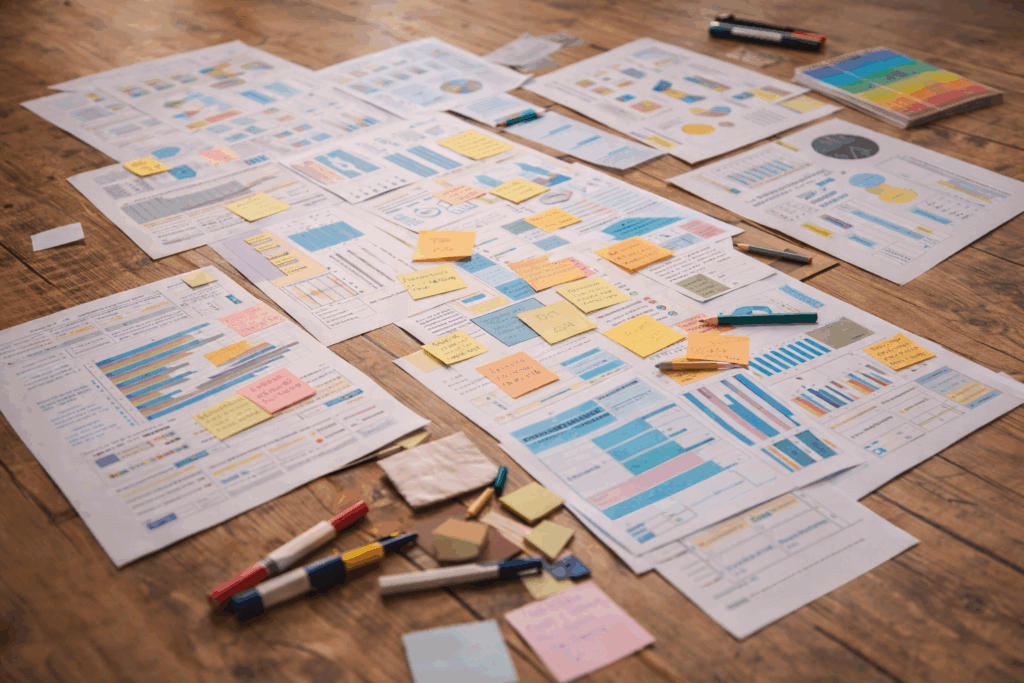
One of the biggest misconceptions about collaboration is that it requires agreement.
It doesn’t.
Collaboration requires room — room for difference, experimentation, and uncertainty.
You can collaborate without deciding everything together.
You can collaborate without merging identities.
And you can collaborate without sacrificing your boundaries.
Healthy collaboration honors autonomy.
Curiosity as the Foundation
Curiosity is what makes collaboration possible.
When curiosity leads:
- Ideas are explored rather than defended
- Feedback becomes information, not a threat
- Differences become generative rather than divisive
Curiosity is a nervous-system cue of safety. It signals: I don’t have to be right to belong.
This is especially important if you’ve experienced collaboration as competitive or hierarchical.
Forms of Collaboration That Feel Safer
Not all collaboration — or ways of working together —looks the same.
Some nervous systems prefer:
- Parallel creation (working side-by-side)
- Loose brainstorming without commitment
- Time-limited collaboration
- Clearly defined roles
- Explicit decision-making structures

There is no “right” way.
The question is not How should collaboration look?
The question is What helps my body stay present while creating with others?
Collaboration in Parenting, Work, and Community
Collaboration shows up everywhere:
- Co-parenting
- Partnerships
- Classrooms
- Teams
- Community projects
- Creative work
When collaboration is modeled with respect and flexibility, it teaches children and adults alike that creation does not have to be solitary or competitive.
It teaches that shared effort can be supportive rather than draining.
Repair Is Part of Collaboration
No collaboration is seamless.
Miscommunication, misalignment, and disappointment are inevitable. What matters is not the absence of rupture, but the presence of repair.
Repair teaches the nervous system:
- Mistakes don’t end the connection
- Conflict can be navigated
- Collaboration can evolve
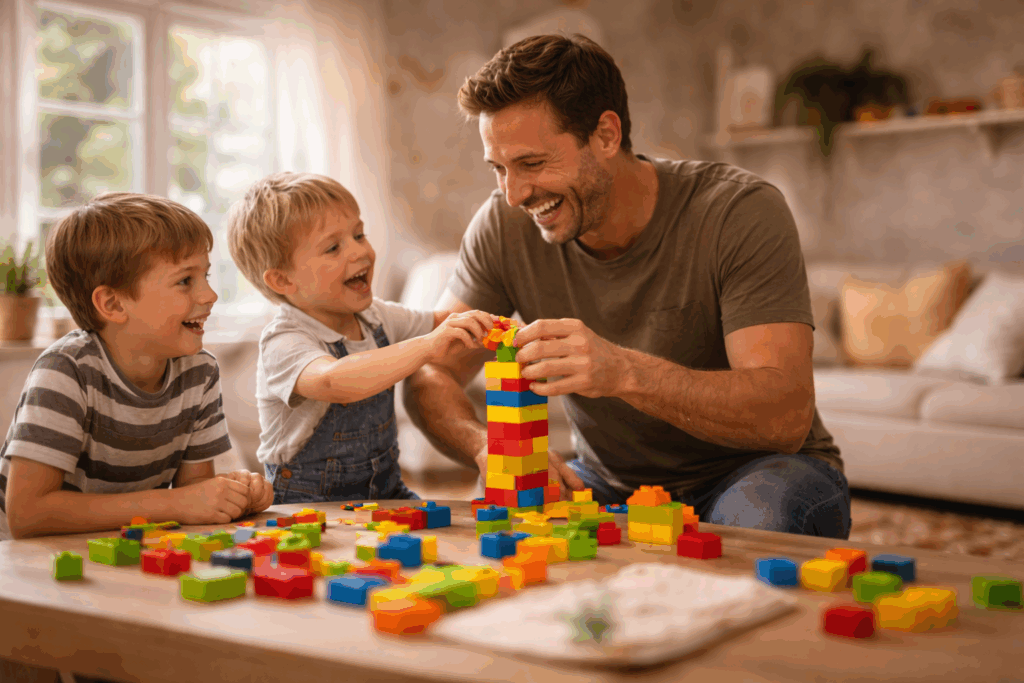
This is how trust builds — not through perfection, but through repair.
Integration: Creating Together Without Losing Yourself
The guidepost Collaborate reminds us that shared creation does not require self-abandonment.
You can:
- Contribute without overextending
- Listen without disappearing
- Receive input without surrendering your voice
- Create alongside others while remaining yourself
Collaboration is not about merging.
It’s about emergence.
Something new becomes possible when we make space for each other.
Continue the Practice
If this guidepost resonated, you’re invited to continue exploring it at your own pace.
🎧 Listen to the companion podcast episode:
→ The PlayFULL Way — Collaborate
(Available wherever you listen to podcasts)
📝 Download the reflection + journaling pages:
A gentle printable to help you pause, reflect, and integrate this week’s guidepost.
→ Subscribe & Request the Collaborate Guide
💌 Receive the weekly companion letter:
A short note each week with reflections, prompts, and invitations to practice slowly and honestly.
→ Weekly Newsletter Subscription
There’s no right way to engage.
Take what supports you. Leave the rest.