

How Conscious Choice Creates Clarity, Alignment, and Meaning
Intentional living is often framed as having a clear plan—avoiding the deeper question: why does consciousness exist?
We’re encouraged to define goals, map outcomes, and design a life that reflects our values. While clarity can be helpful, this version of intention can feel inaccessible—especially during periods of uncertainty, transition, or emotional fatigue.
The guidepost Be Intentional invites a more humane approach. Intention here isn’t about rigid direction or perfect alignment. It’s about raising awareness of how we choose—and allowing those choices to reflect what matters most right now.
Intention Begins With Awareness
You can’t be intentional without awareness.
When life moves quickly, many of our choices are made automatically. We say yes out of habit, obligation, or fear of disappointing others. We fill our time without pausing to ask whether what we’re doing actually aligns with our values.
Intentionality starts when we slow down enough to notice, which is often where the question of why consciousness exist becomes lived rather than theoretical.
What am I giving my energy to?
How does this choice feel in my body?
Is this aligned with who I am becoming?
These questions don’t demand immediate answers. Instead, they invite reflection into the deeper inquiry of why consciousness exist.
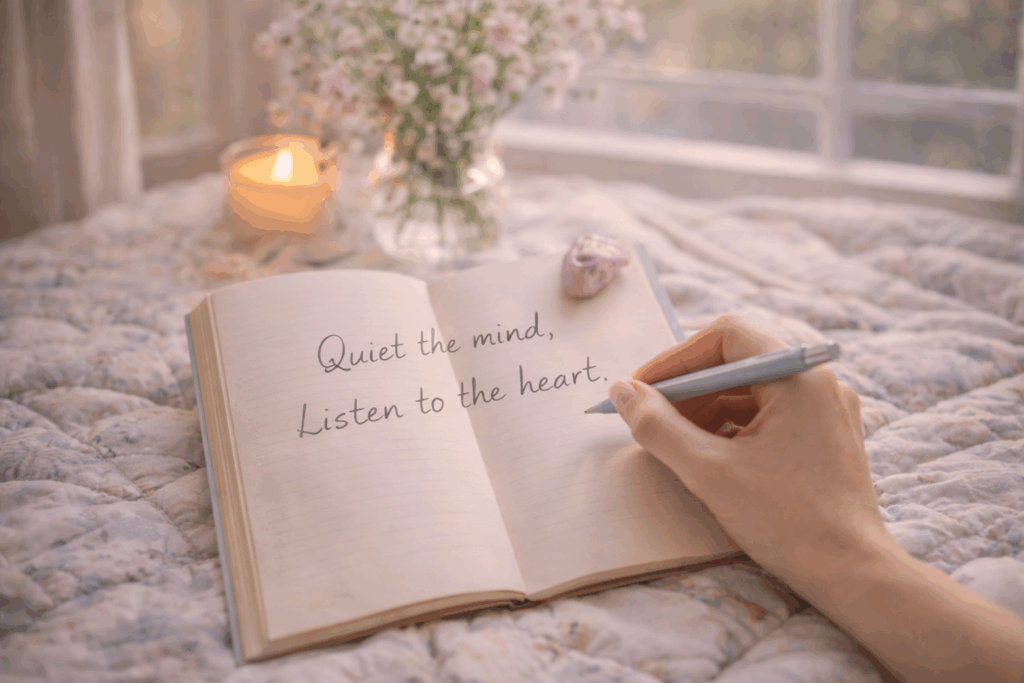
The Nervous System and Choice
From a nervous system perspective, intentional choice requires regulation.
When the nervous system is overwhelmed, choices feel urgent. We default to survival strategies — people-pleasing, avoidance, over-functioning — not because they align with our values, but because they feel safer.
In regulated states, we have more access to discernment. We can pause, consider options, and choose intentionally rather than reactively.
Therefore, understanding why consciousness exist isn’t abstract — it’s essential to how choice, safety, and awareness interact in the body.
This is why intention cannot be forced.
It grows in environments of safety, space, and self-trust.
Intention Is Not Control
One of the biggest misconceptions about intention is that it requires control.
True intention doesn’t try to manage every outcome. It focuses on how we show up, not how everything turns out. You can act with intention even when results are uncertain.
Intention asks:
- How do I want to move through this?
- What values do I want to embody?
- What feels honest right now?
This allows intention to remain flexible and responsive rather than rigid.
Intention Versus Perfection
Many people avoid setting intentions because they’re afraid of failing to live up to them.
But intention is not a contract. It’s a compass.
You can return to it again and again — adjusting as needed. Missing the mark doesn’t mean you lacked intention. It means you’re human.
Returning is part of the practice.
Intentional Living in Everyday Life
Intentionality doesn’t require dramatic changes.
It shows up in small, everyday choices:
- How you begin your day
- What do you say yes or no to
- How you rest
- How you speak to yourself

These small choices shape the texture of your life over time.
Intention in Relationships
In relationships, intention helps us act from our values rather than react reflexively.
It supports clearer communication, healthier boundaries, and a more aligned connection. Intention doesn’t guarantee ease — but it does create integrity.
Intention in Parenting
Children learn intention through modeling.
When adults pause, reflect, and make thoughtful choices, children learn that choices can be made with care rather than urgency. Intention in parenting supports consistency without rigidity.
Practicing Intention Gently
You don’t need to set intentions for everything.
Start small:
- One intention for the day
- One value to guide a decision
- One moment of conscious choice
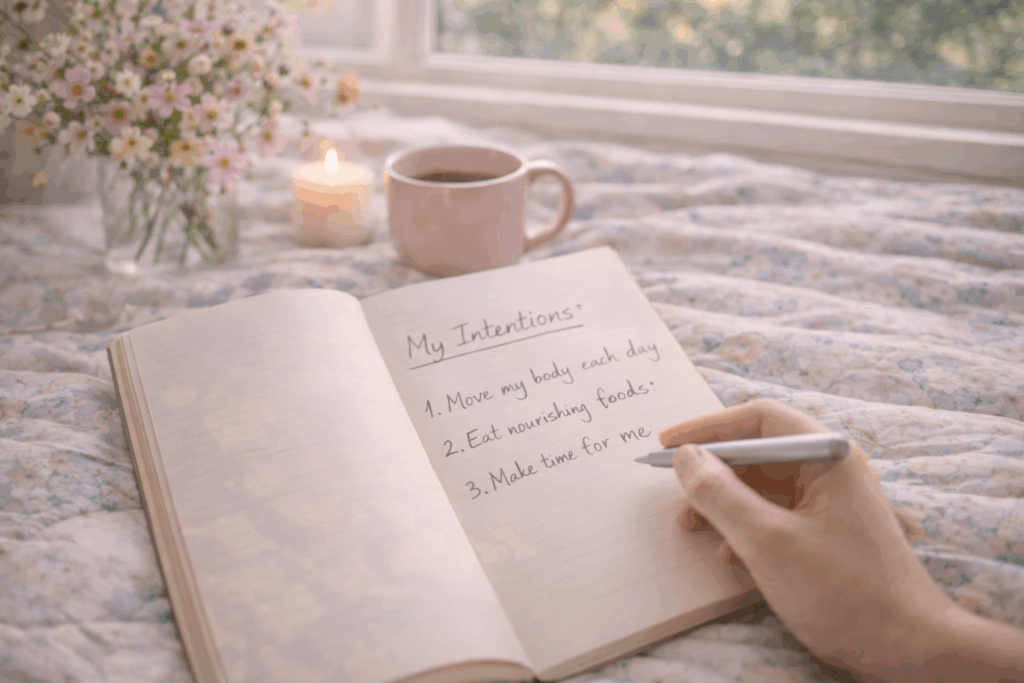
Intention strengthens through practice.
Integration: Living With Clarity and Purpose
The guidepost Be Intentional reminds us that purpose doesn’t come from having all the answers.
It comes from choosing with awareness.
You are allowed to change your mind.
Moving slowly is allowed.
You may choose again.
Intentional living isn’t about getting it right.
It’s about staying awake to what matters.
Continue the Practice
If this guidepost resonated, you’re invited to continue exploring it at your own pace.
🎧 Listen to the companion podcast episode:
→ The PlayFULL Way — Be Intentional
(Available wherever you listen to podcasts)
📝 Download the reflection + journaling pages:
A gentle printable to help you pause, reflect, and integrate this week’s guidepost.
→ Subscribe & Request the Be Intentional Guide
💌 Receive the weekly companion letter:
A short note each week with reflections, prompts, and invitations to practice slowly and honestly.
→ Weekly Newsletter Subscription
There’s no right way to engage.
Take what supports you. Leave the rest.